

Moisture Mapping & Investigation
Investigate damp walls, ceiling stains, floor moisture, roof seepage, and suspected water intrusion using appropriate moisture measurement techniques.
Learn MoreUse infrared thermal imaging to investigate temperature variations, potential moisture intrusion, insulation defects, and other thermal irregularities.

Infrared thermal imaging provides a visual representation of surface temperature variations. When interpreted alongside site observations and other measurements, it can assist in investigating potential moisture intrusion, insulation defects, and equipment overheating.
Our thermal inspections are performed with the Testo 883 thermal imager and interpreted by an engineer, so that every pattern is read in the context of the building, its materials and the reported problem.
Thermal scanning of the affected and surrounding areas, comparison with reference zones, and verification of findings with moisture readings or other suitable methods.
Technology: Testo 883 thermal imager, as specified for the service.
Important: Thermal imaging identifies temperature patterns, not water itself. Findings must be interpreted with suitable verification methods.
Thermal images with visual reference photographs, observed anomalies and recommendations.
Large areas scanned quickly and without contact
Hidden patterns become visible for analysis
Supports targeted, evidence-based repairs
Images can be documented in a technical report
No. Thermal imaging does not directly see water through a wall. It identifies surface temperature patterns that may be associated with moisture or other conditions, which are then verified with other methods.
SD LeakDoc uses the Testo 883 thermal imager, with analysis and reporting supported by testo IRSoft software where applicable.
Investigate damp walls, ceiling stains, floor moisture, roof seepage, and suspected water intrusion using appropriate moisture measurement techniques.
Learn More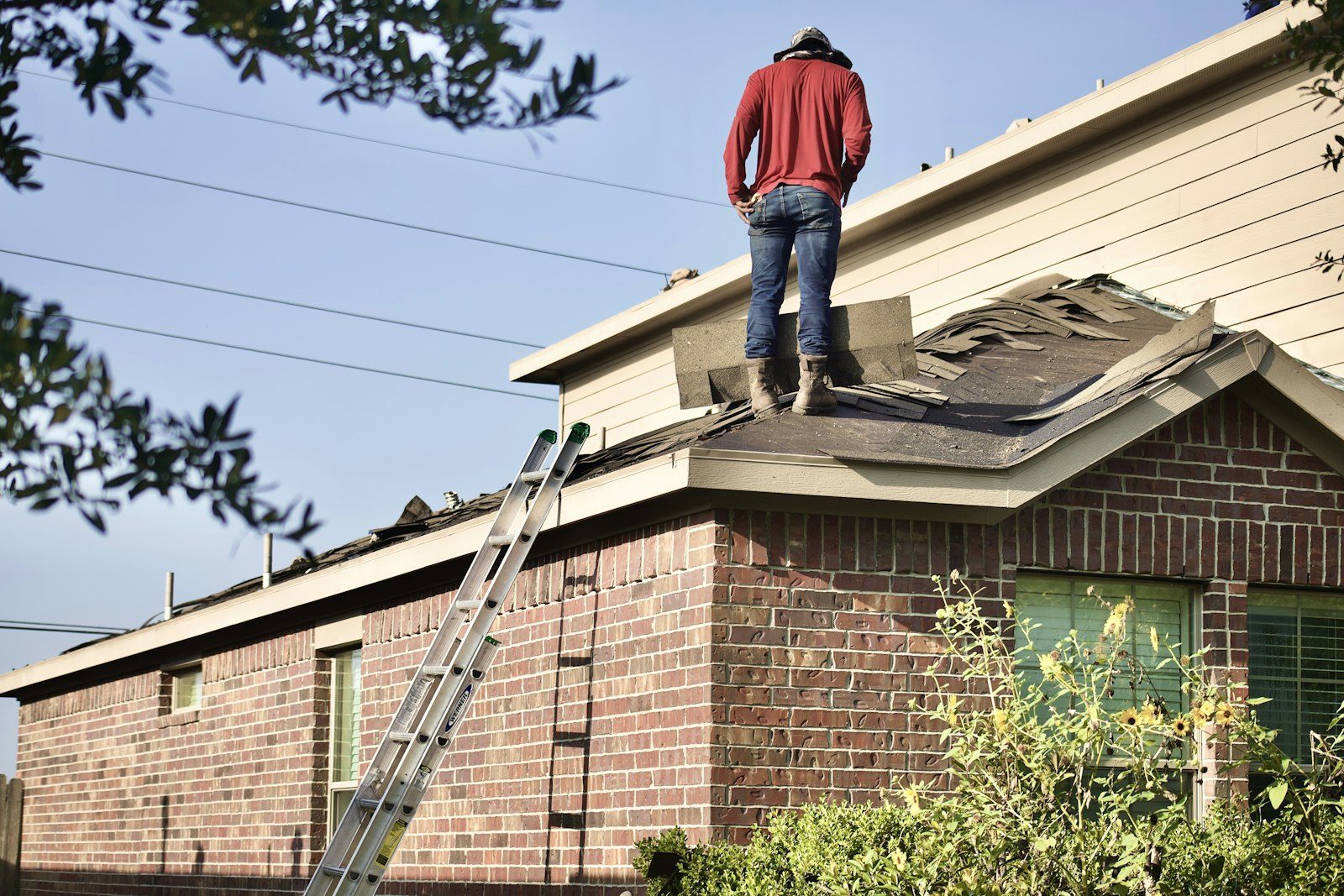
Engineering-based recommendations to identify the source of water ingress and determine appropriate waterproofing or repair measures.
Learn More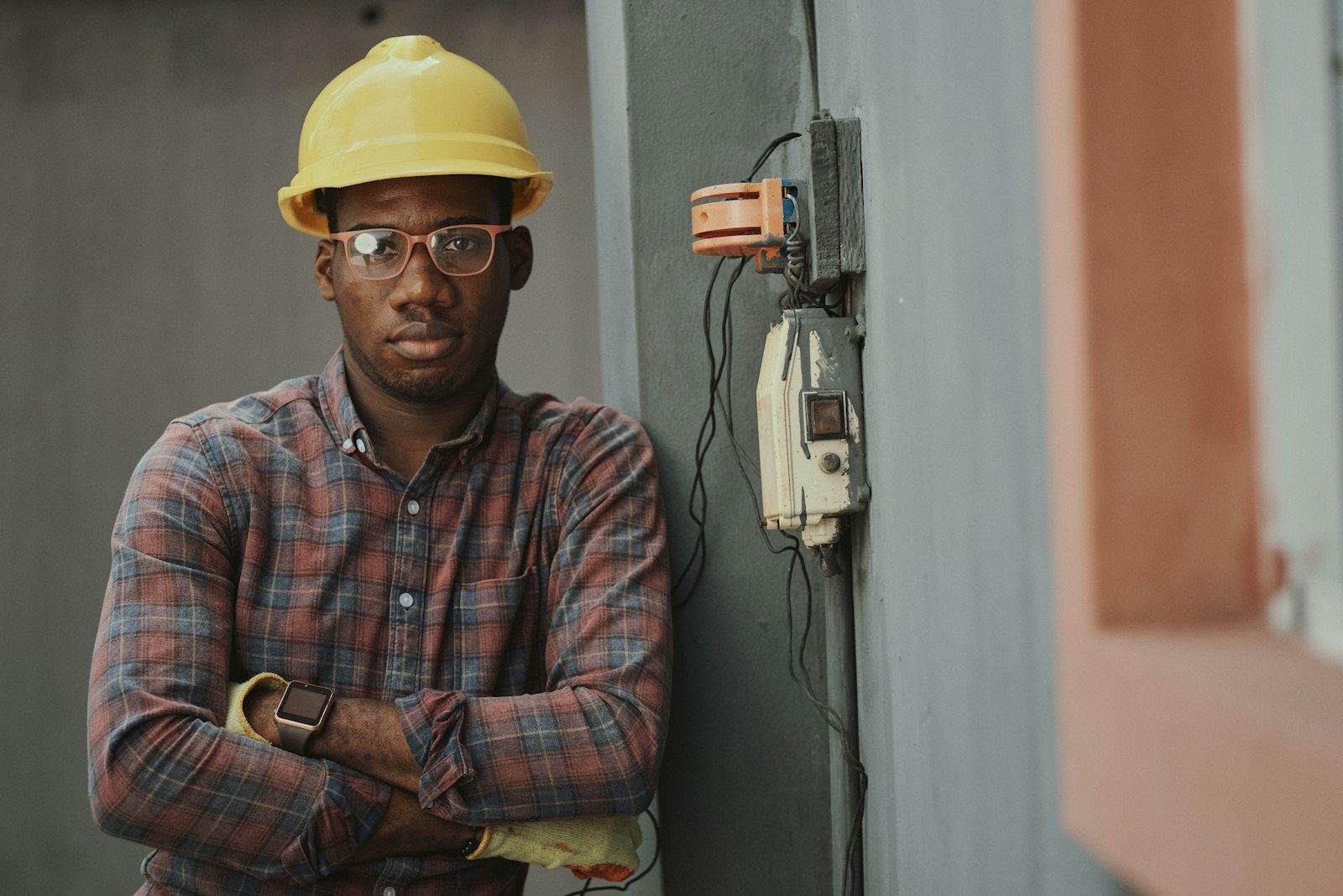
Inspect electrical panels, switching cabinets, cables, motors, and other equipment for abnormal temperature patterns and potential overheating risks.
Learn More