

Building Diagnostics
Investigate building envelope defects, thermal anomalies, insulation issues, dampness patterns and visible defects through engineering analysis.
Learn MoreInspect electrical panels, switching cabinets, cables, motors, and other equipment for abnormal temperature patterns and potential overheating risks.
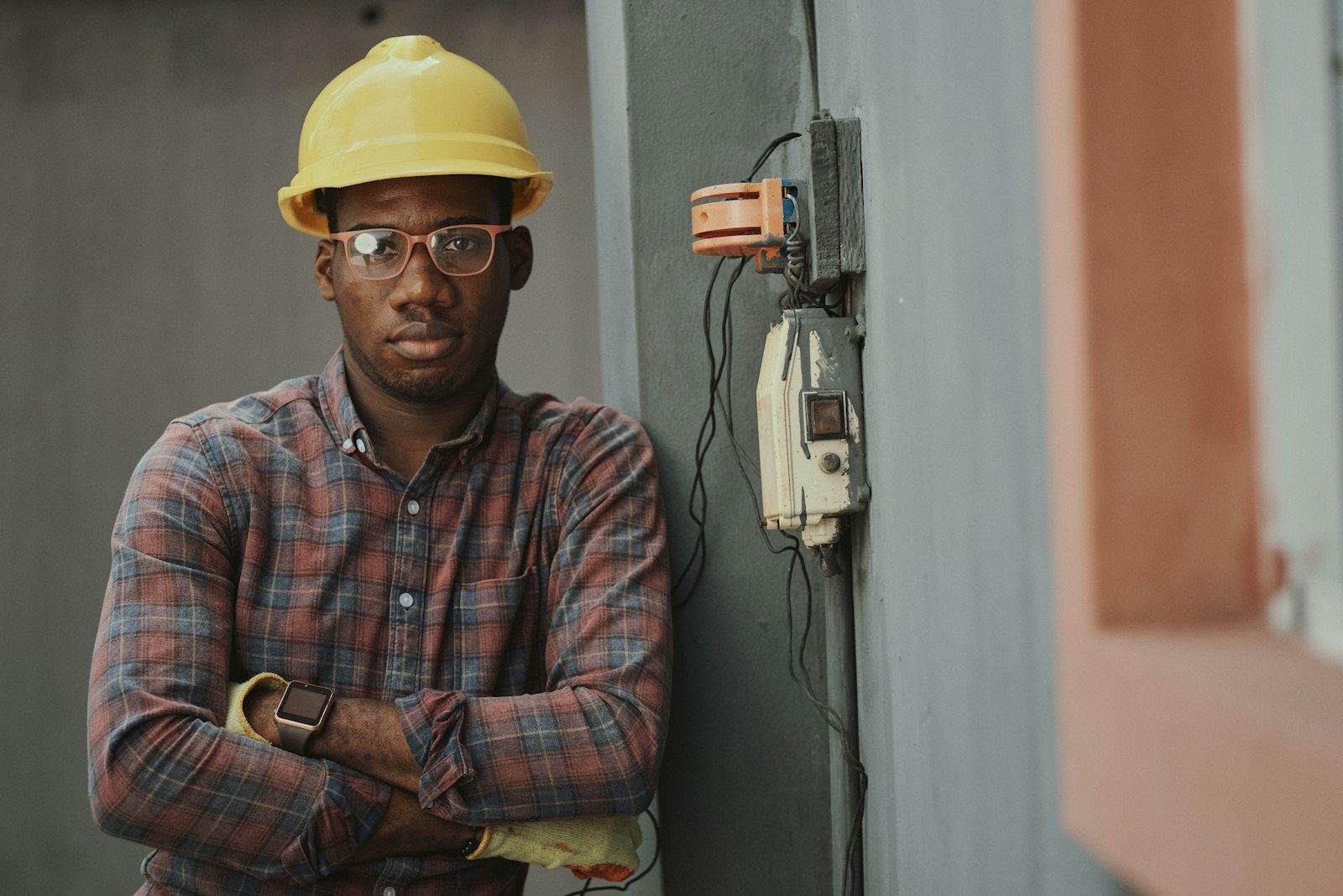
Electrical thermography helps identify unusual temperature patterns that may indicate loose connections, uneven loading, component deterioration, or other electrical concerns.
Because thermography is non-contact, suitable equipment can be scanned while it is operating under load - the condition in which most heating-related faults become visible.
Thermal scanning of accessible equipment under operating conditions, comparison of similar components, and documentation of abnormal temperature patterns.
Important: Inspections should be conducted by suitably qualified personnel under appropriate electrical safety procedures.
Thermal images, observed temperature anomalies, technical findings, and recommendations for qualified electrical maintenance teams.
Early warning of developing hot spots
Supports planned, not emergency, maintenance
Non-contact scanning of live equipment
Documentation for audits and records
It can reveal abnormal temperature patterns that may indicate loose or corroded connections, overloading, imbalance or deteriorating components.
Thermography is generally performed while equipment is operating, subject to safe access and the site safety procedures.
Investigate building envelope defects, thermal anomalies, insulation issues, dampness patterns and visible defects through engineering analysis.
Learn More
Thermal inspections that help facility and maintenance teams identify abnormal heating before equipment problems become serious.
Learn More
Structured reports with photographs, thermal images, readings, observations, probable causes and practical recommendations.
Learn More