
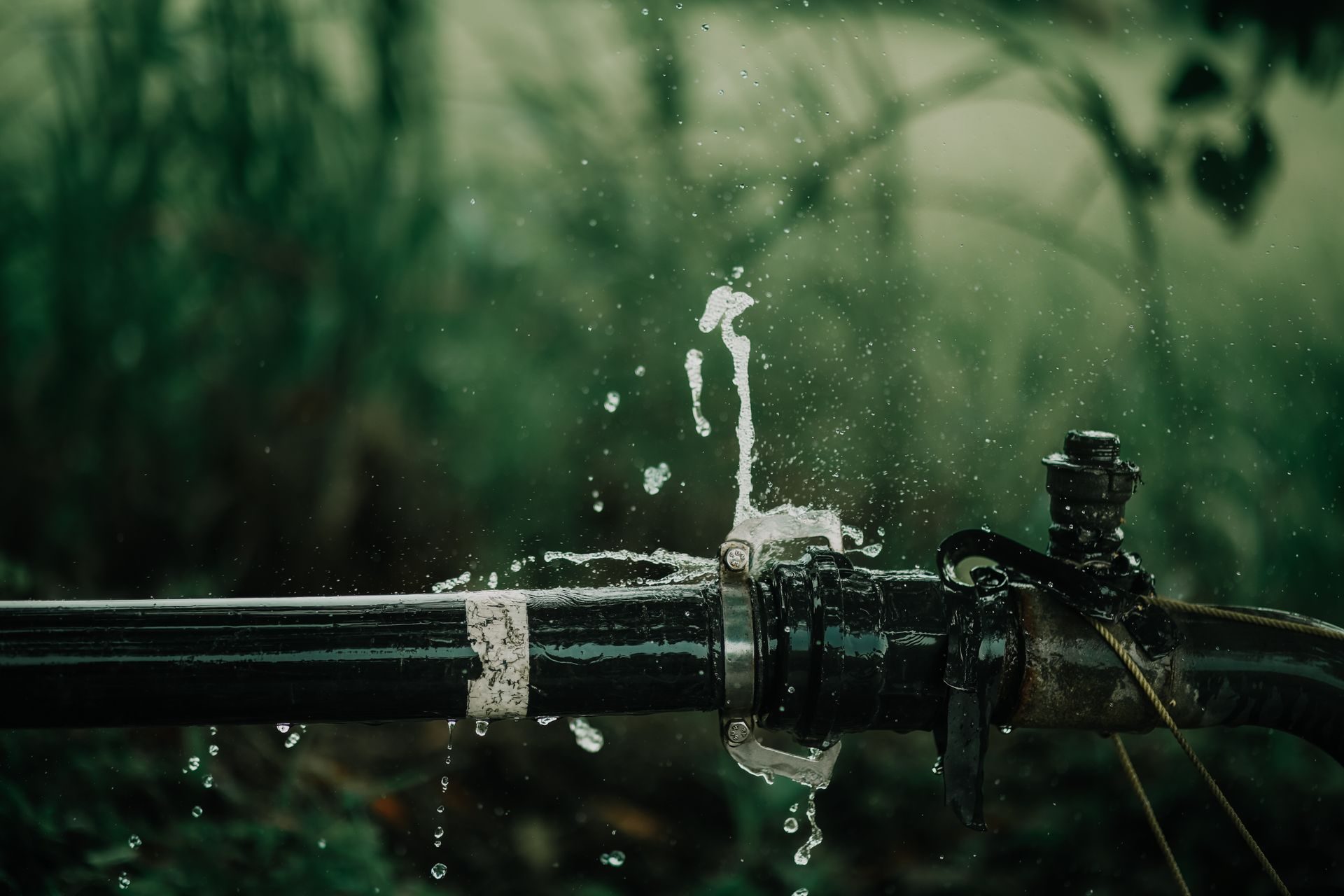
Advanced Water Leakage Detection
Identify concealed water leakage in bathrooms, kitchens, walls, ceilings, floors, and pipelines using suitable non-destructive inspection methods.
Learn MoreSpecialised Diagnostic Services
Step Inspection Process
Industry Sectors Served
Engineering Degrees Behind Every Diagnosis
Water leakage, hidden moisture, electrical hot spots, and building defects can remain undetected until they cause significant damage. Conventional inspection methods may require repeated trial and error.
At SD LeakDoc, we use thermal imaging, moisture measurement, non-destructive inspection techniques, and engineering-based analysis to investigate potential problems with greater precision.
From a damp bathroom wall to an industrial electrical panel, we combine advanced inspection equipment with engineering interpretation.
Identify concealed water leakage in bathrooms, kitchens, walls, ceilings, floors, and pipelines using suitable non-destructive inspection methods.
Learn More
Use infrared thermal imaging to investigate temperature variations, potential moisture intrusion, insulation defects, and other thermal irregularities.
Learn More
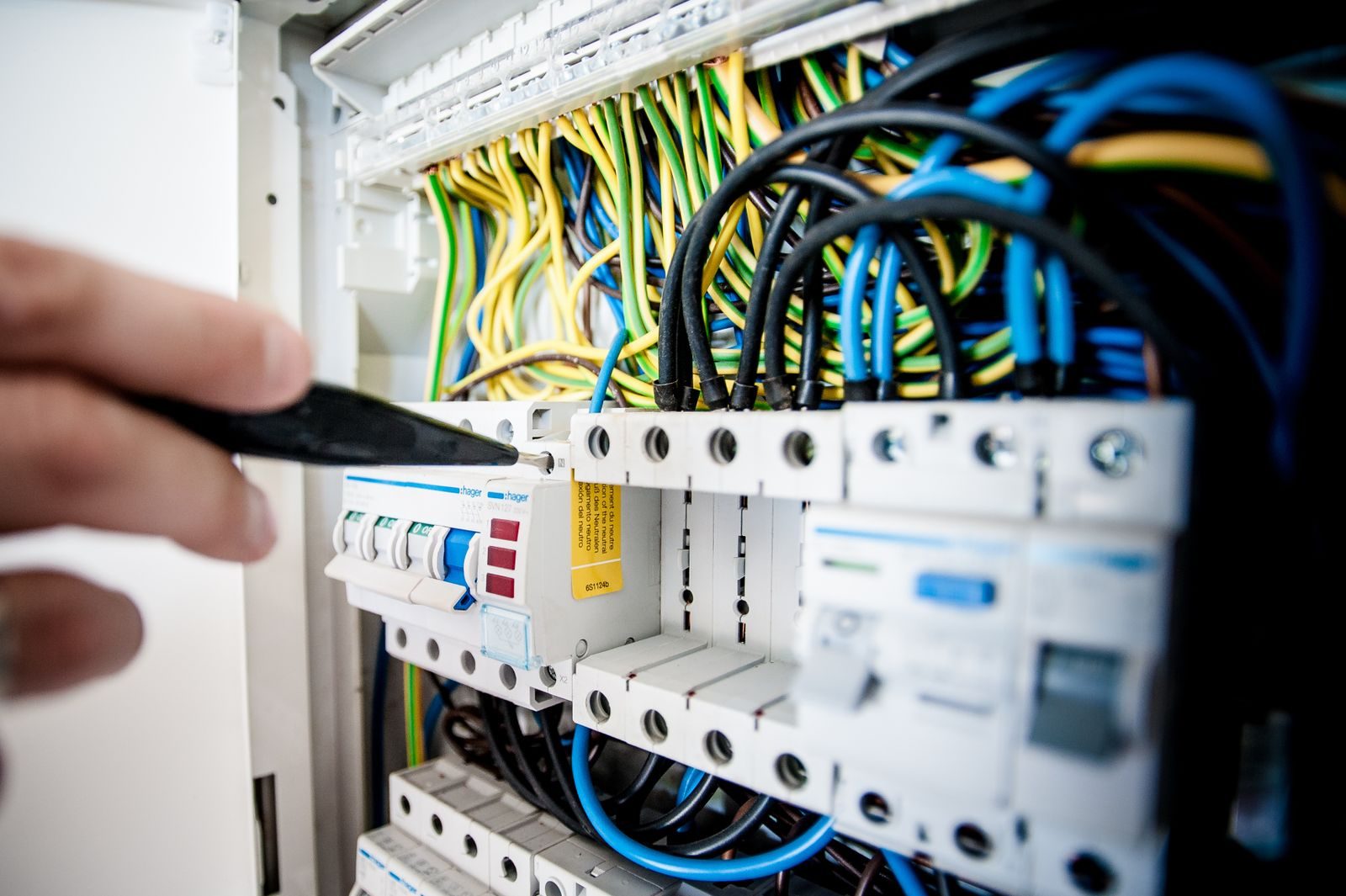
Inspect electrical panels, switching cabinets, cables, motors, and other equipment for abnormal temperature patterns and potential overheating risks.
Learn MoreInvestigate damp walls, ceiling stains, floor moisture, roof seepage, and suspected water intrusion using appropriate moisture measurement techniques.
Learn More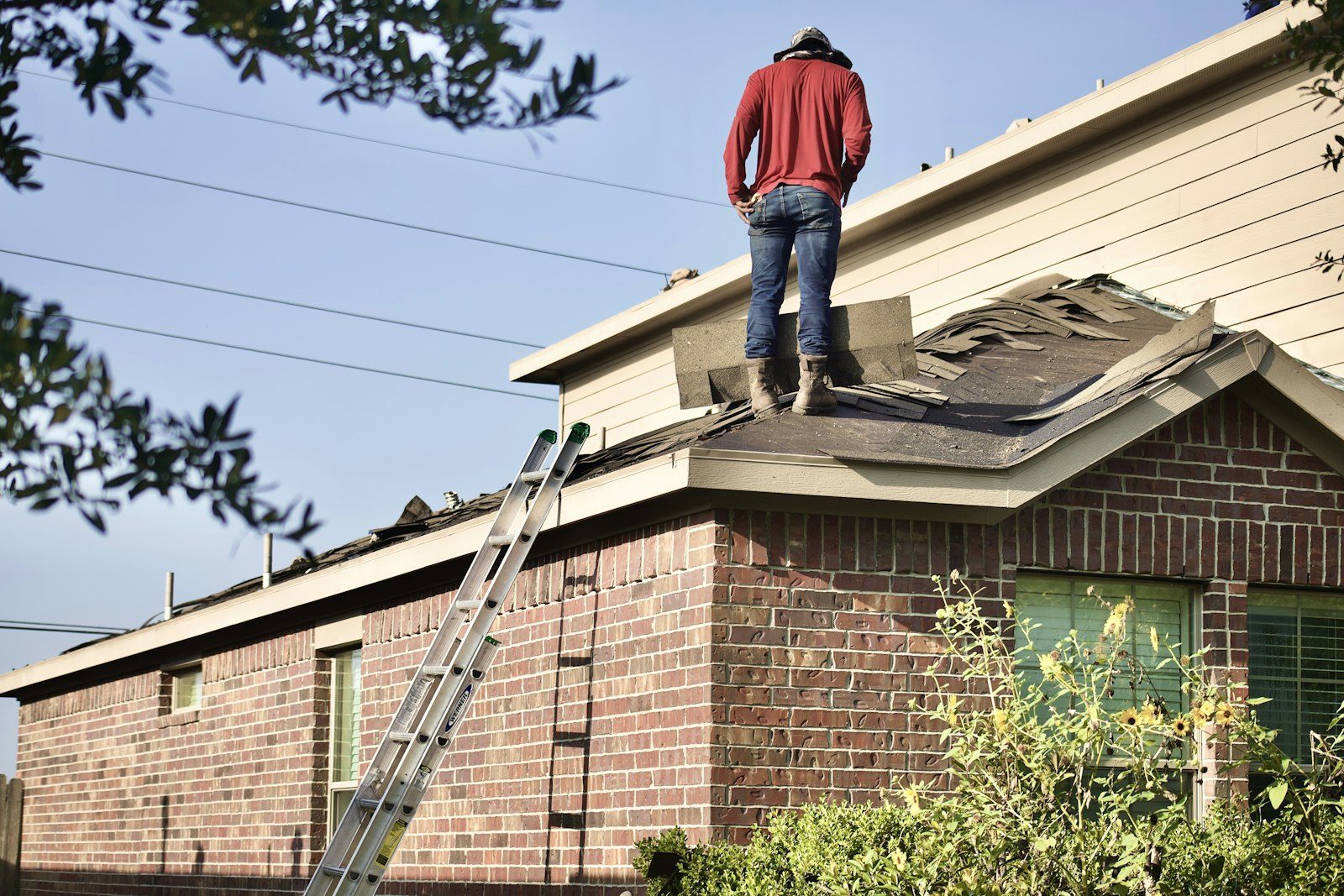
Engineering-based recommendations to identify the source of water ingress and determine appropriate waterproofing or repair measures.
Learn More
Investigate building envelope defects, thermal anomalies, insulation issues, and potential mechanical or electrical maintenance concerns.
Learn MoreMost leaks and overheating faults give early warnings. If you notice any of these, an inspection can help you act before the damage spreads.
Dark or damp patches on walls and ceilings that keep coming back.
Bubbling, flaking or peeling paint and putty near wet areas.
Efflorescence or powdery white deposits on plaster and tiles.
A persistent musty odour or visible mould in rooms or cupboards.
Yellow or brown stains below bathrooms, terraces or tanks.
Tiles that sound hollow, lift, or show wet grout lines.
Overhead tank emptying faster or pump running longer than usual.
Electrical panels, switches or cables that feel unusually warm.
A clear, engineering-led workflow that moves from symptoms to evidence to a practical solution.
Inspect the affected area using suitable diagnostic equipment and techniques.
Analyze thermal patterns, moisture readings, site conditions, and relevant engineering factors to investigate the probable root cause.
Document observations, thermal images, inspection findings, and practical recommendations.
Guide the repair or waterproofing process and provide execution support where agreed.
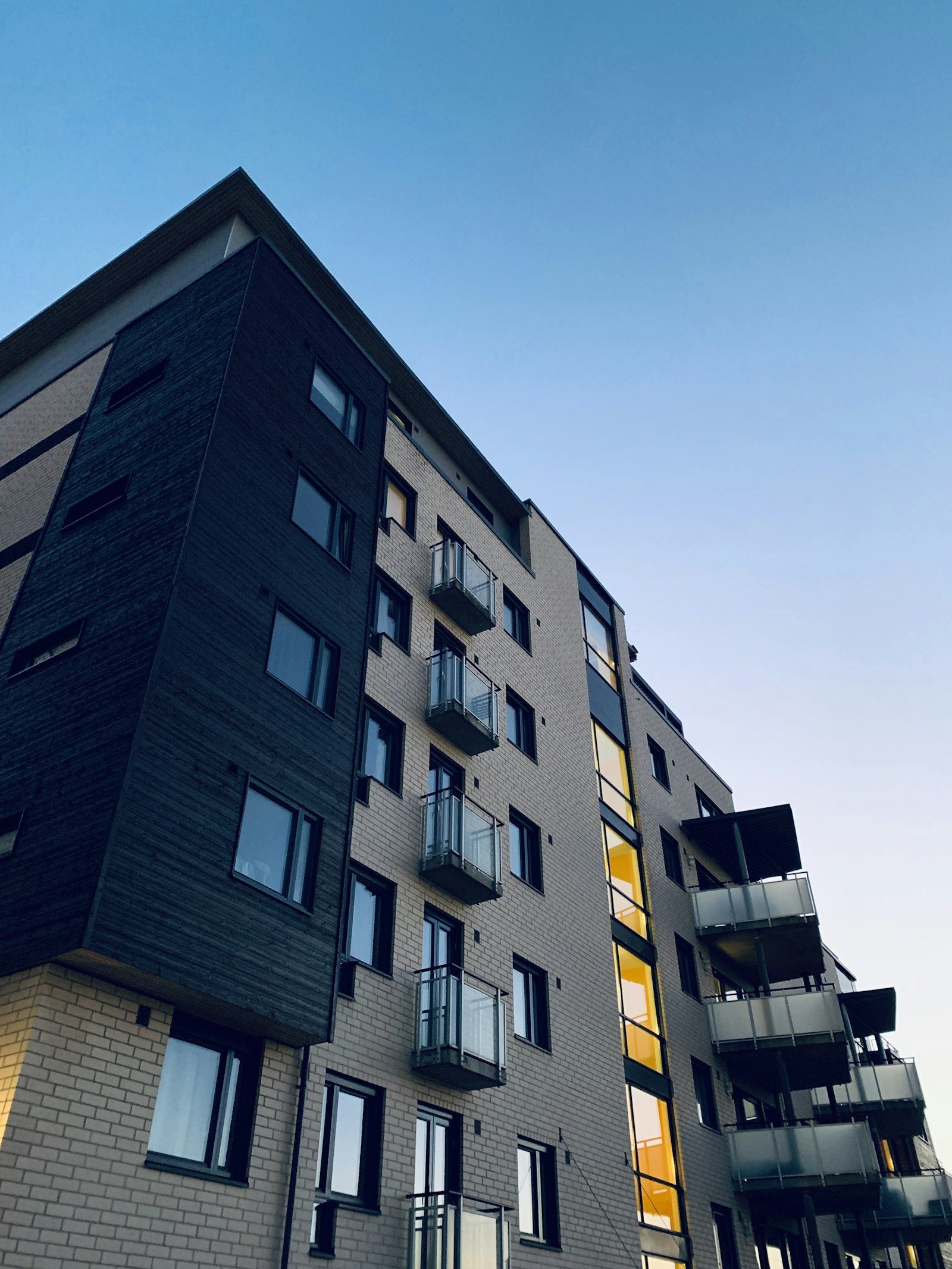
Leak detection, thermal imaging and diagnostics tailored to residential buildings & apartments.
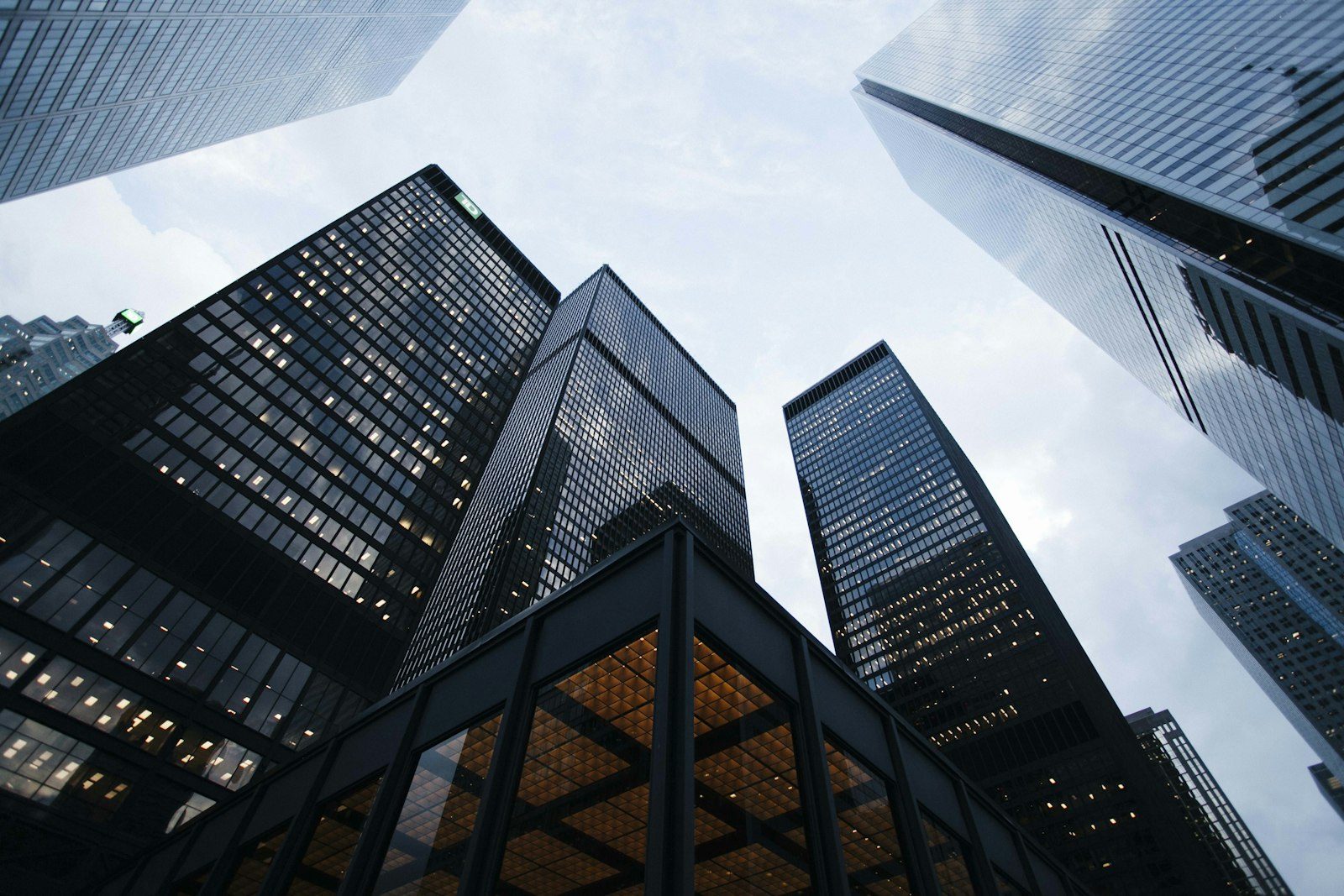
Leak detection, thermal imaging and diagnostics tailored to commercial buildings & offices.
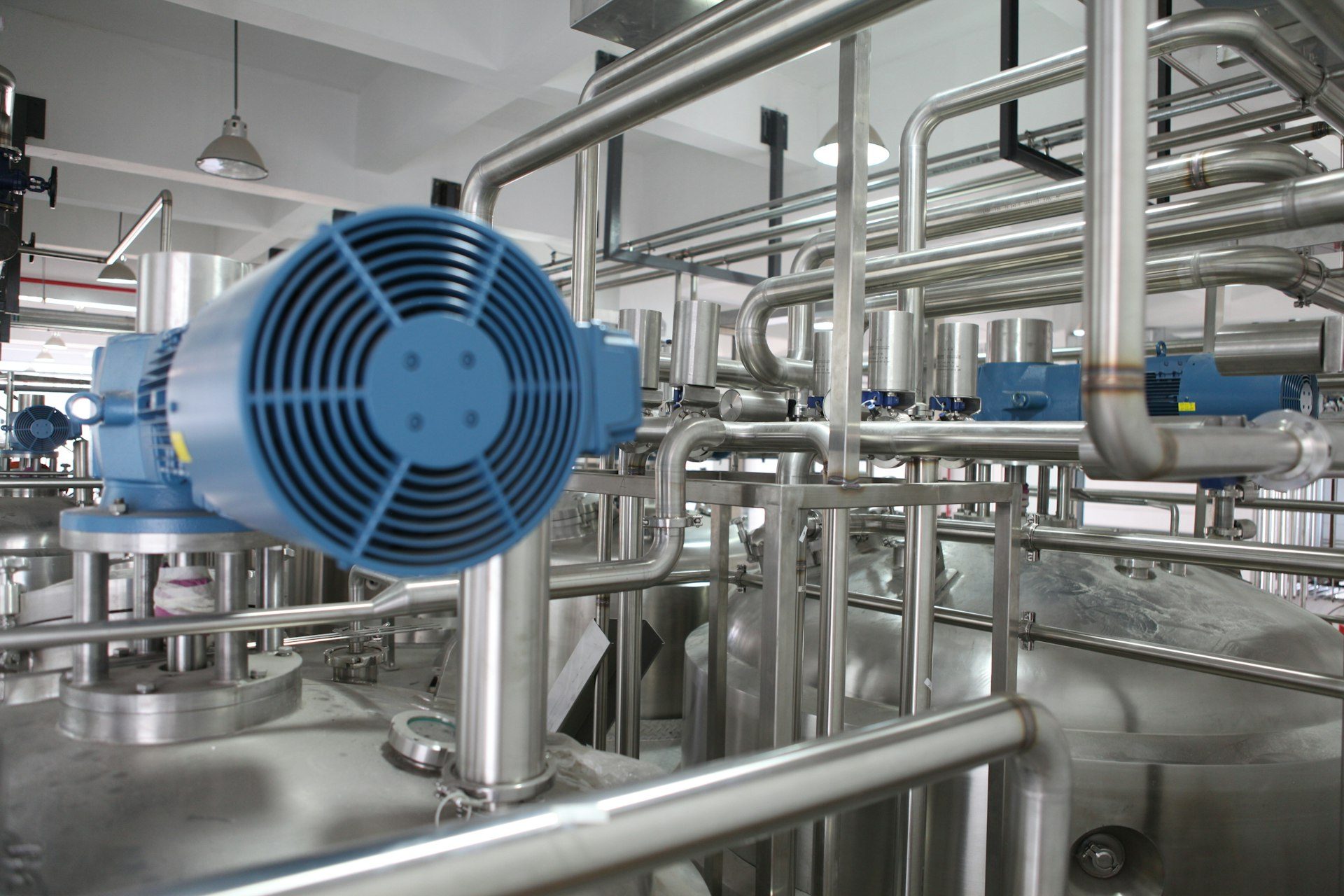
Leak detection, thermal imaging and diagnostics tailored to industrial plants & factories.
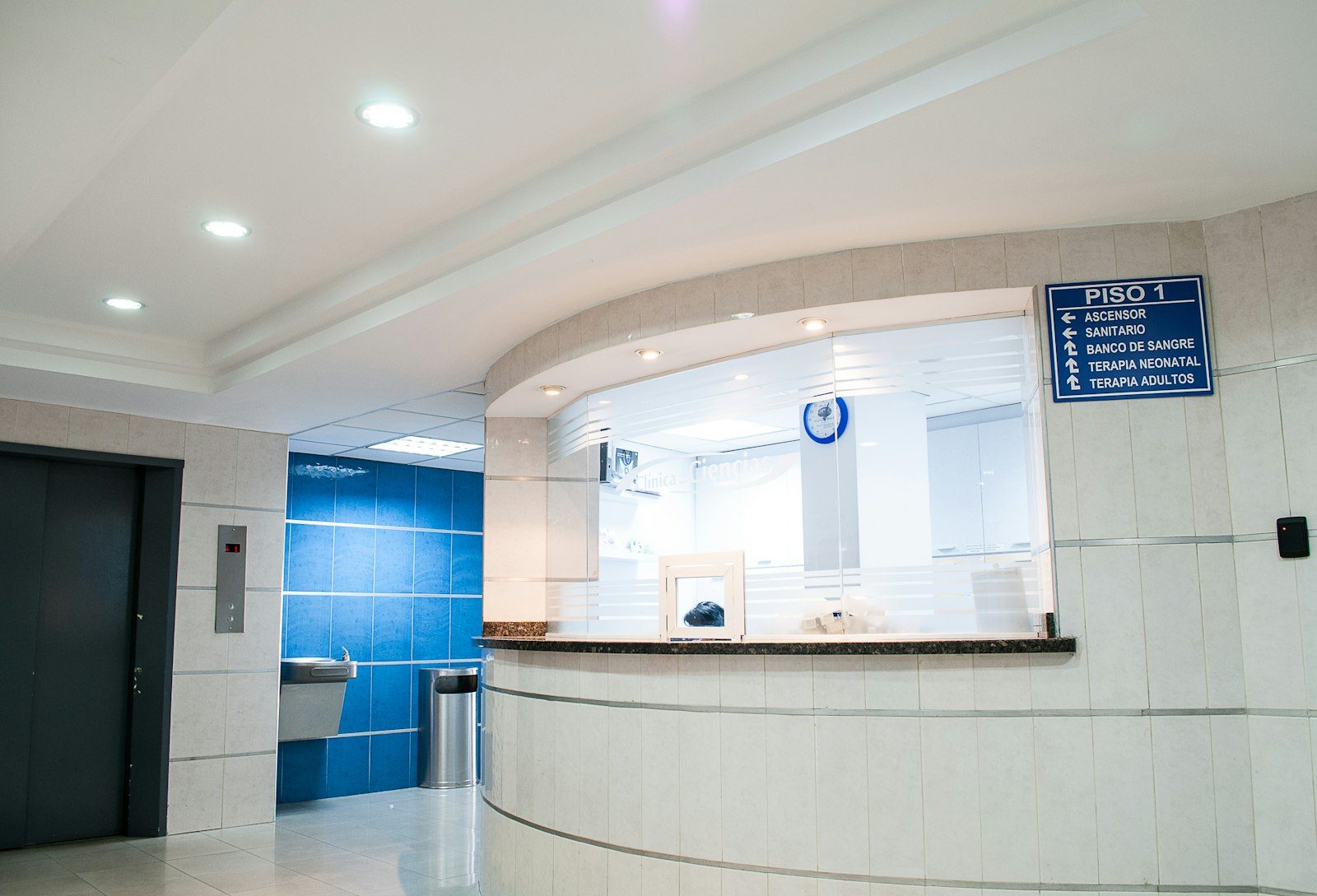
Leak detection, thermal imaging and diagnostics tailored to hospitals & healthcare facilities.

Leak detection, thermal imaging and diagnostics tailored to hotels & restaurants.
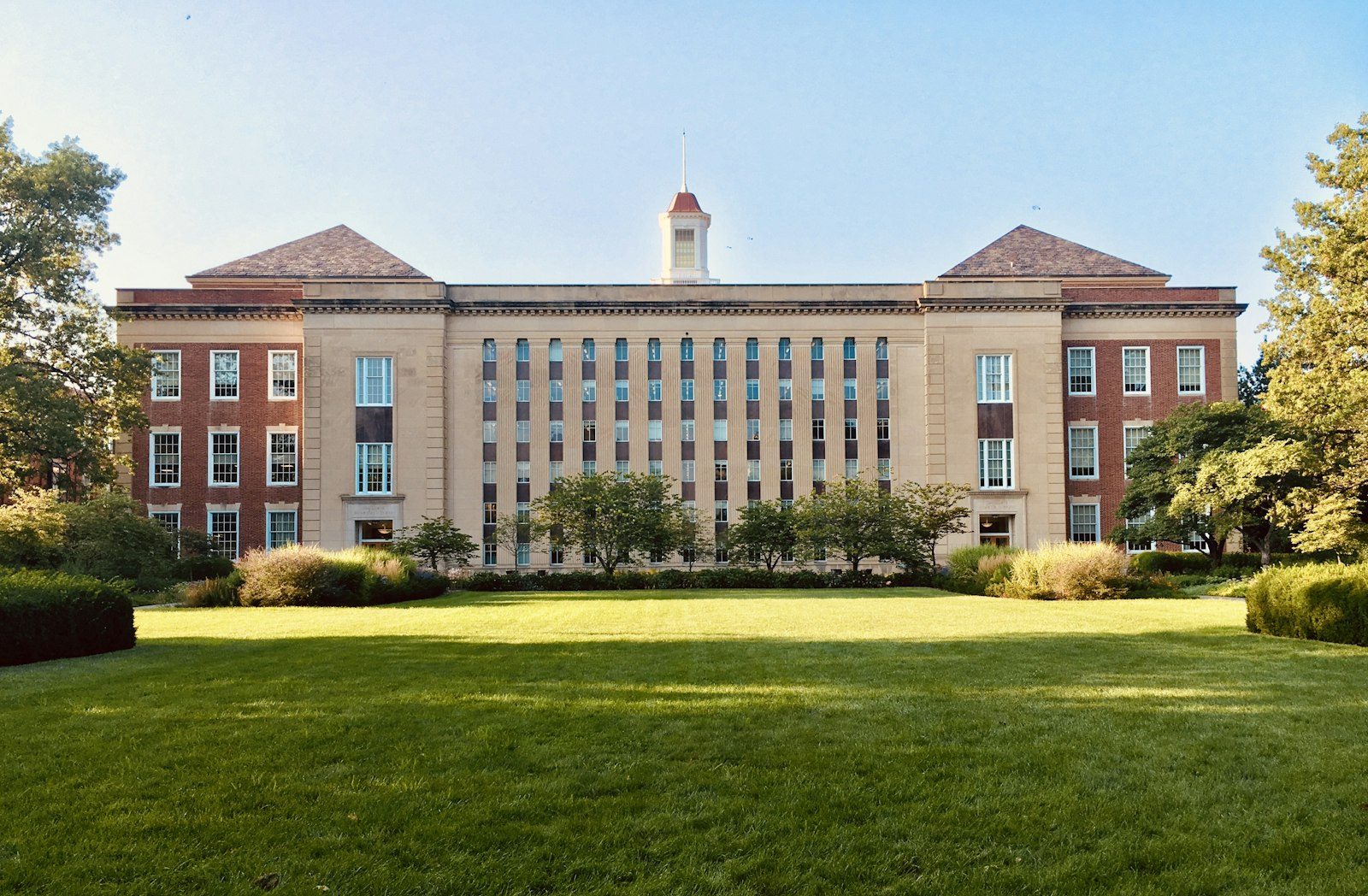
Leak detection, thermal imaging and diagnostics tailored to educational institutions.
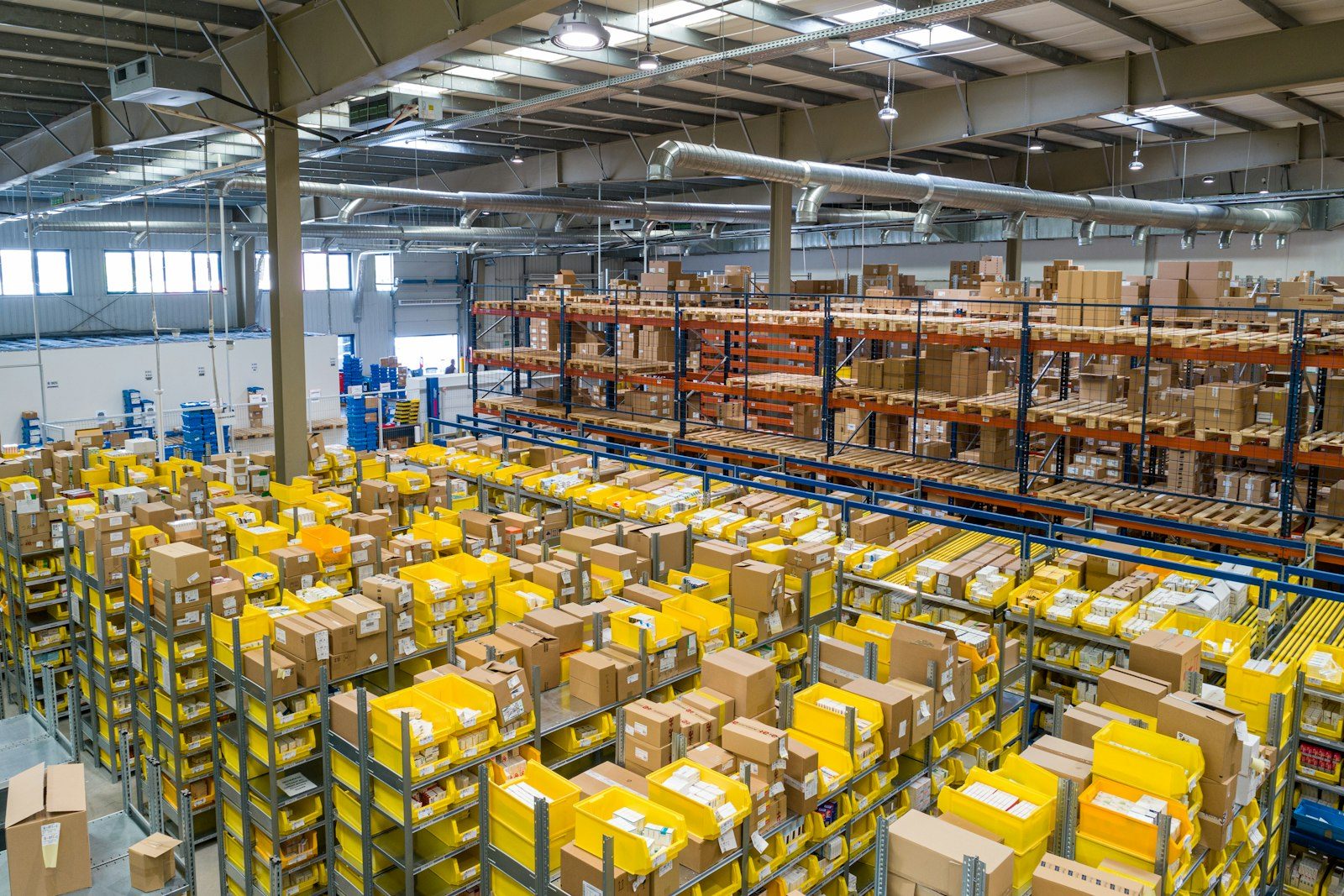
Leak detection, thermal imaging and diagnostics tailored to warehouses & institutional properties.
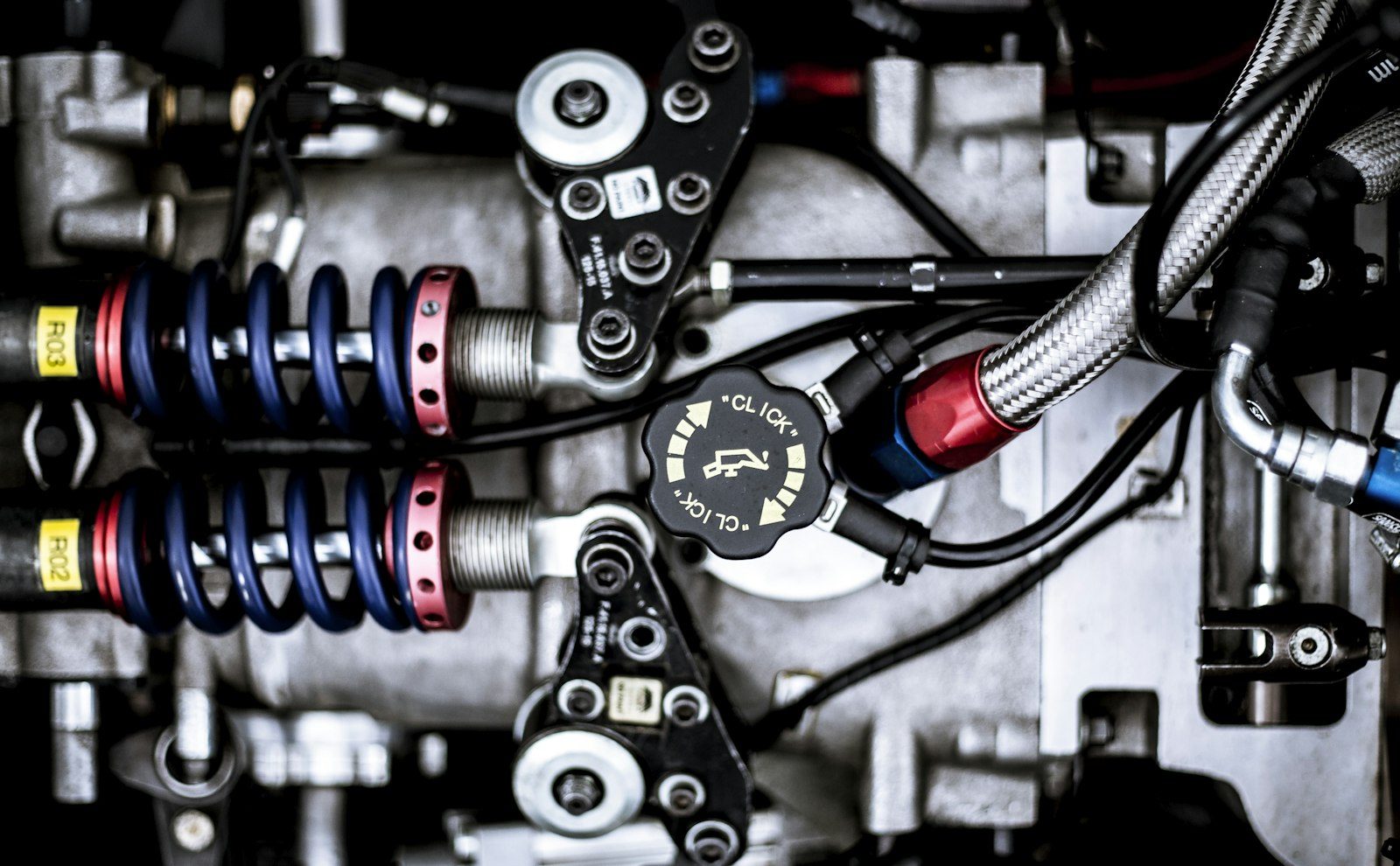
Leak detection, thermal imaging and diagnostics tailored to electrical & mechanical facilities.
Our primary thermal imaging equipment displays temperature patterns across surfaces and equipment, helping an experienced inspector identify areas requiring further investigation.
Advanced leak detection uses appropriate diagnostic methods and instruments to investigate suspected water leakage and help identify its likely source.
Many suspected leaks can be investigated using non-destructive methods. However, some situations require additional testing or limited opening-up work to confirm the source.
Thermal imaging displays surface temperature patterns using infrared technology. It can assist in investigating potential moisture intrusion, insulation defects, and electrical or mechanical temperature anomalies.
Thermal imaging does not directly see water through a wall. It identifies temperature patterns that may be associated with moisture or other conditions. Findings should be interpreted alongside other measurements and site observations.
Based in Katraj, Pune. Contact us to confirm availability for your location.